What are the lubrication and mechanical maintenance requirements for a laundry shuttle conveyor machine?
Introduction to laundry shuttle conveyor systems
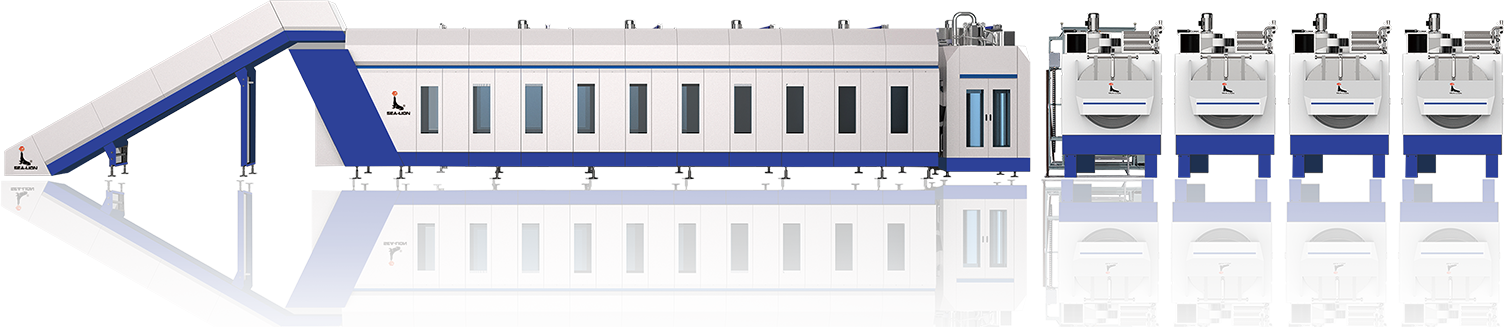
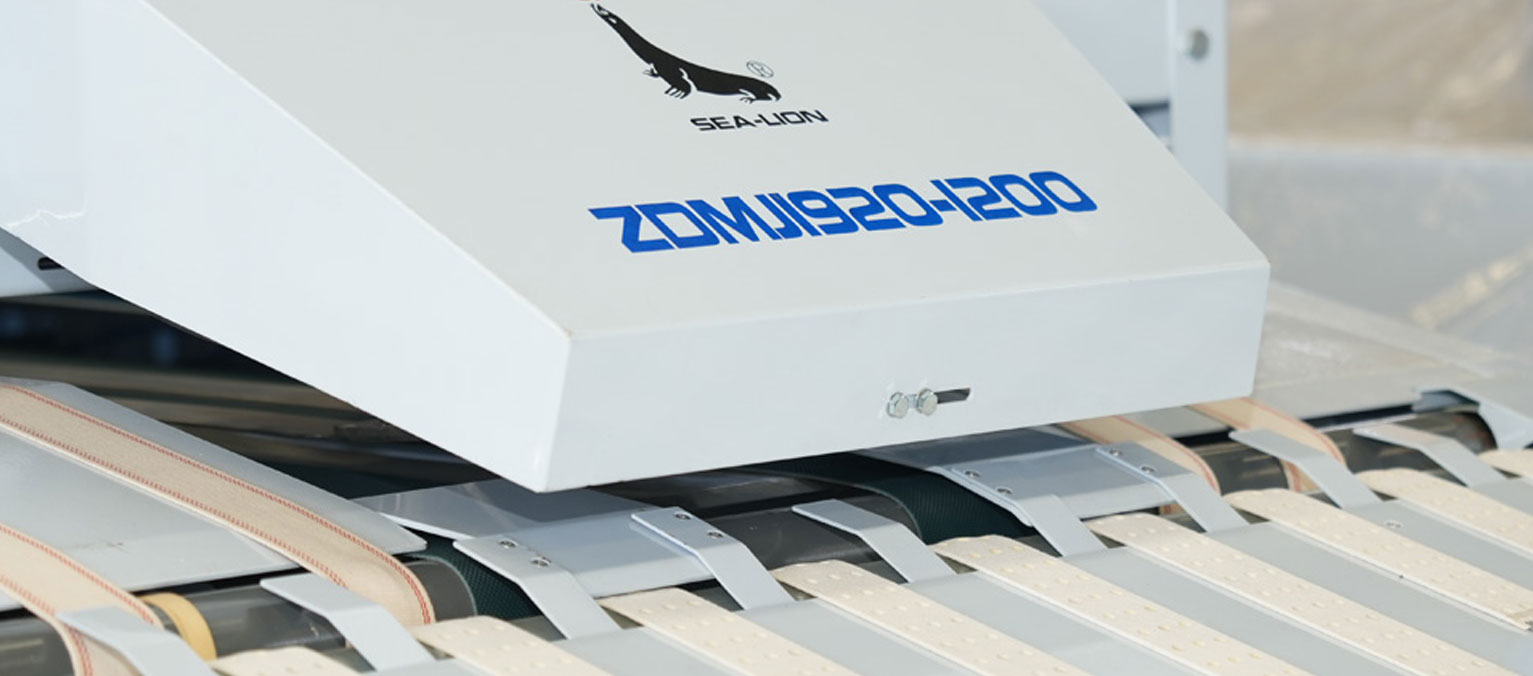
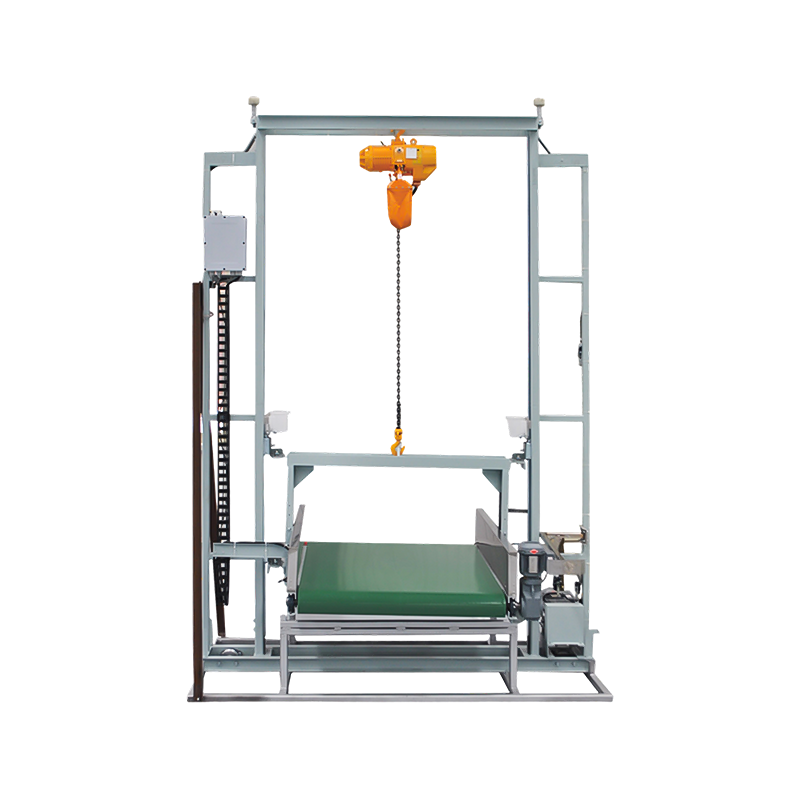
The Laundry Shuttle Conveyor Machine, commonly referred to as an Automated Laundry Shuttle, is a critical component in modern industrial and commercial laundry facilities. Its primary function is to convey washed and pressed linen efficiently to through dryers, ensuring a continuous workflow. In large-scale operations, the use of a CBW Shuttle Transport System minimizes manual handling, reduces labor costs, and maintains a high level of hygiene by avoiding unnecessary contact with textiles.
A well-maintained Laundry Shuttle Conveyor Machine is essential for the overall efficiency and longevity of the laundry system. Given the repetitive movements, high loads, and exposure to water and detergent residues, these machines require systematic lubrication and mechanical care to prevent premature wear and operational interruptions. Maintenance strategies include routine inspection, timely lubrication, and mechanical adjustment, all of which enhance the system’s durability and reliability.
Key mechanical components and their functions
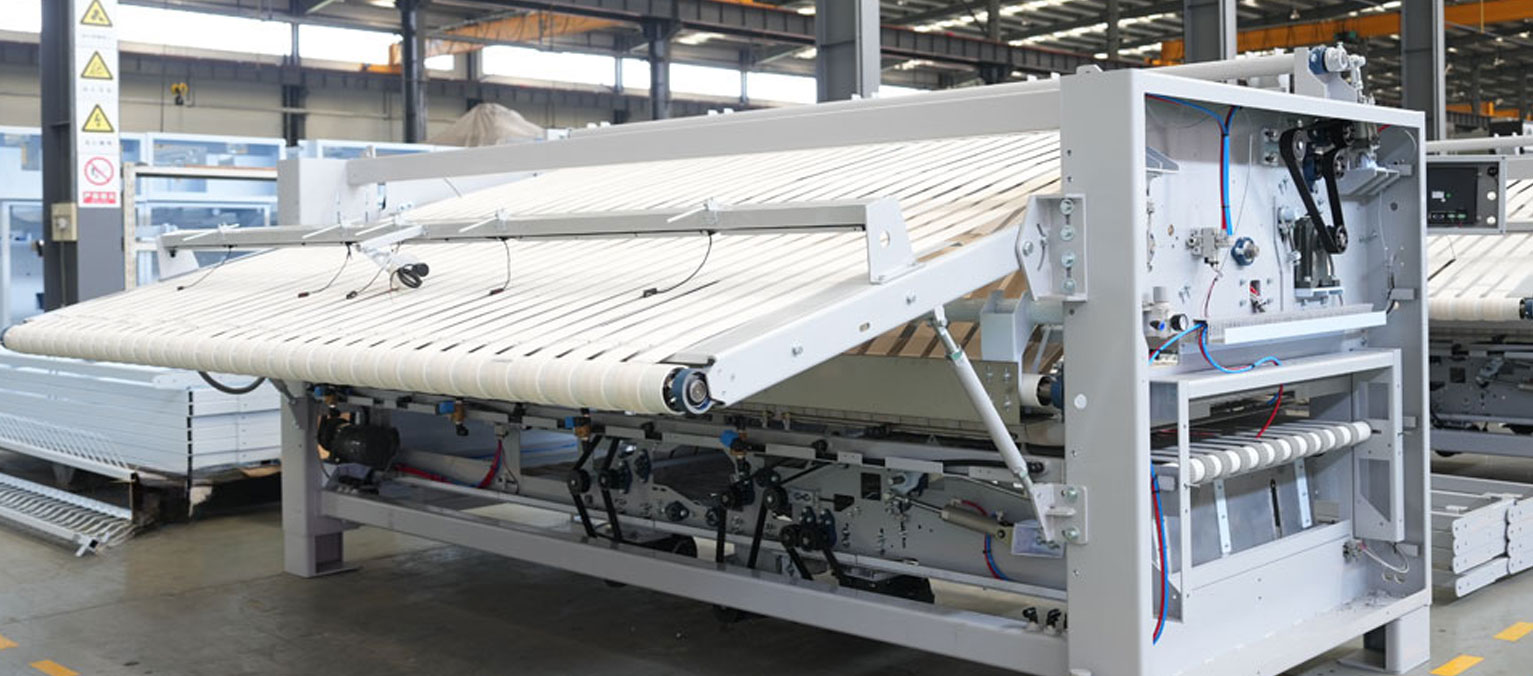
Understanding the main mechanical parts of a CBW Shuttle Transport System is fundamental to planning a proper maintenance schedule. The core components include:
- Conveyor chains and tracks – responsible for the horizontal movement of linen batches.
- Drive motors – typically electric, providing the power needed for shuttle movement.
- Gearboxes and transmission systems – reduce motor speed and transfer torque efficiently.
- Bearings – support moving shafts and minimize friction between rotating parts.
- Rollers and guides – facilitate smooth movement of linen carriers along the tracks.
- Sensors and alignment devices – ensure precise positioning and prevent collisions or misalignment.
The continuous operation of these components in high-capacity laundry environments subjects them to mechanical stress, friction, and potential corrosion. Therefore, routine inspection and lubrication are necessary to maintain the integrity and operational efficiency of the system.
Lubrication requirements for automated laundry shuttles
The lubrication of a Laundry Shuttle Conveyor Machine is one of the most critical maintenance practices. Proper lubrication reduces friction, prevents wear, and ensures smooth operation of moving parts. The main considerations include:
- **Lubricant type:** High-quality, water-resistant lubricants suitable for industrial laundry environments are recommended. These lubricants should resist washroom humidity and occasional detergent splashes.
- **Application points:** Key areas for lubrication include chains, bearings, gearboxes, and roller shafts. Each component has specific lubrication needs depending on its speed and load.
- **Lubrication frequency:** Chains and bearings typically require weekly or bi-weekly lubrication depending on the intensity of use. Gearboxes may need monthly oil changes to maintain optimal performance.
- **Monitoring lubricant condition:** Lubricants should be inspected for contamination by water, detergent, or metal particles. Contaminated lubricants must be replaced to prevent accelerated wear.
Proper lubrication not only extends the service life of the Automated Laundry Shuttle but also reduces the risk of unplanned downtime and mechanical failures, which can disrupt production schedules.
Mechanical maintenance practices
Mechanical maintenance of a CBW Shuttle Transport System involves structured procedures designed to detect and prevent potential issues before they escalate. Key practices include:
- **Regular inspections:** Visual and technical inspections of conveyor chains, gearboxes, bearings, and rollers are essential. Any signs of wear, deformation, or misalignment must be addressed promptly.
- **Alignment checks:** Ensuring that chains, rollers, and shuttles remain aligned reduces uneven wear and prevents shuttle derailment or collisions.
- **Tension adjustment:** Chains and belts should maintain proper tension to prevent slippage and reduce stress on drive motors.
- **Component replacement:** Worn or damaged parts should be replaced immediately to avoid cascading failures. This includes bearings, rollers, gears, and sensors.
- **Cleaning:** Regular cleaning removes detergent residues, dust, and lint accumulation, which can impact the mechanical components and sensor accuracy.
By implementing these mechanical maintenance routines, laundry facilities can ensure the consistent performance of their Laundry Shuttle Conveyor Machine while extending its operational life.
Recommended maintenance schedule
A systematic maintenance schedule is vital for maximizing the efficiency of an Automated Laundry Shuttle. The table below provides an example of a structured maintenance plan:
| Maintenance Activity |
Frequency |
Notes |
| Lubricate chains and bearings |
Weekly |
Use water-resistant industrial lubricants; inspect for contamination |
| Inspect drive motors and gearboxes |
Monthly |
Check for noise, vibration, and temperature anomalies |
| Clean conveyor tracks and rollers |
Weekly |
Remove detergent residue and lint accumulation |
| Check alignment and tension of chains |
Bi-weekly |
Adjust tension and ensure proper alignment |
| Replace worn mechanical parts |
As needed |
Focus on bearings, rollers, gears, and sensors |
| Monitor lubricant condition |
Monthly |
Replace contaminated or degraded lubricants |
This schedule should be adapted based on facility workload, linen volume, and environmental conditions to ensure optimal machine performance.
Integration with laundry facility operations
The CBW Shuttle Transport System is integrated into a broader laundry workflow that includes tunnel washers, pressing units, and dryers. Effective mechanical maintenance ensures smooth interaction between these systems. Properly lubricated chains and rollers reduce the risk of linen jams, while well-maintained sensors guarantee accurate positioning for transfer to dryers or folding stations.
Facilities such as Jiangsu Sea-Lion Machinery Co., Ltd. have implemented advanced Automated Laundry Shuttle systems that integrate seamlessly with their tunnel washer lines. Sea-Lion’s production capacity and focus on precision manufacturing allow for reliable, high-throughput operations, supported by robust maintenance programs and high-quality components.
Role of manufacturer support in maintenance
Manufacturer support is critical for long-term maintenance of Laundry Shuttle Conveyor Machines. Companies like Jiangsu Sea-Lion Machinery Co., Ltd. provide not only detailed operation manuals but also training for maintenance staff. Access to genuine parts, technical assistance, and guidance on lubrication and mechanical inspection schedules ensures that the CBW Shuttle Transport System remains efficient and reliable over years of operation.
Regular collaboration with the manufacturer also enables updates in lubrication practices and mechanical adjustments, particularly as systems evolve to incorporate energy-saving designs and advanced automation features.
Conclusion
Proper lubrication and mechanical maintenance are indispensable for the effective operation of a Laundry Shuttle Conveyor Machine. Key strategies include selecting suitable lubricants, implementing a regular inspection routine, monitoring component wear, and maintaining precise alignment. These practices reduce operational downtime, enhance the lifespan of mechanical components, and ensure a safe, high-efficiency laundry workflow.
The CBW Shuttle Transport System and Automated Laundry Shuttle offer industrial laundry facilities the ability to handle high volumes of linen efficiently. Supported by expert manufacturers such as Jiangsu Sea-Lion Machinery Co., Ltd., operators can maintain consistent performance, minimize operational risks, and optimize overall productivity.
FAQ
- How often should I lubricate a laundry shuttle conveyor machine? Weekly lubrication of chains and bearings is recommended, with monthly inspection of gearboxes and drive motors.
- Can I use standard lubricants for automated laundry shuttles? It is advised to use water-resistant, industrial-grade lubricants to prevent corrosion and contamination from detergent residues.
- What are the most common mechanical issues in a CBW shuttle transport system? Misaligned chains, worn bearings, and contaminated lubricants are frequent issues that require proactive maintenance.
- Does manufacturer support include maintenance training? Yes, reputable manufacturers like Jiangsu Sea-Lion Machinery Co., Ltd. provide training and detailed manuals to ensure proper mechanical care.
- What maintenance steps can prevent downtime in automated laundry shuttles? Routine inspection, proper lubrication, cleaning of tracks and rollers, and timely replacement of worn components are essential steps.